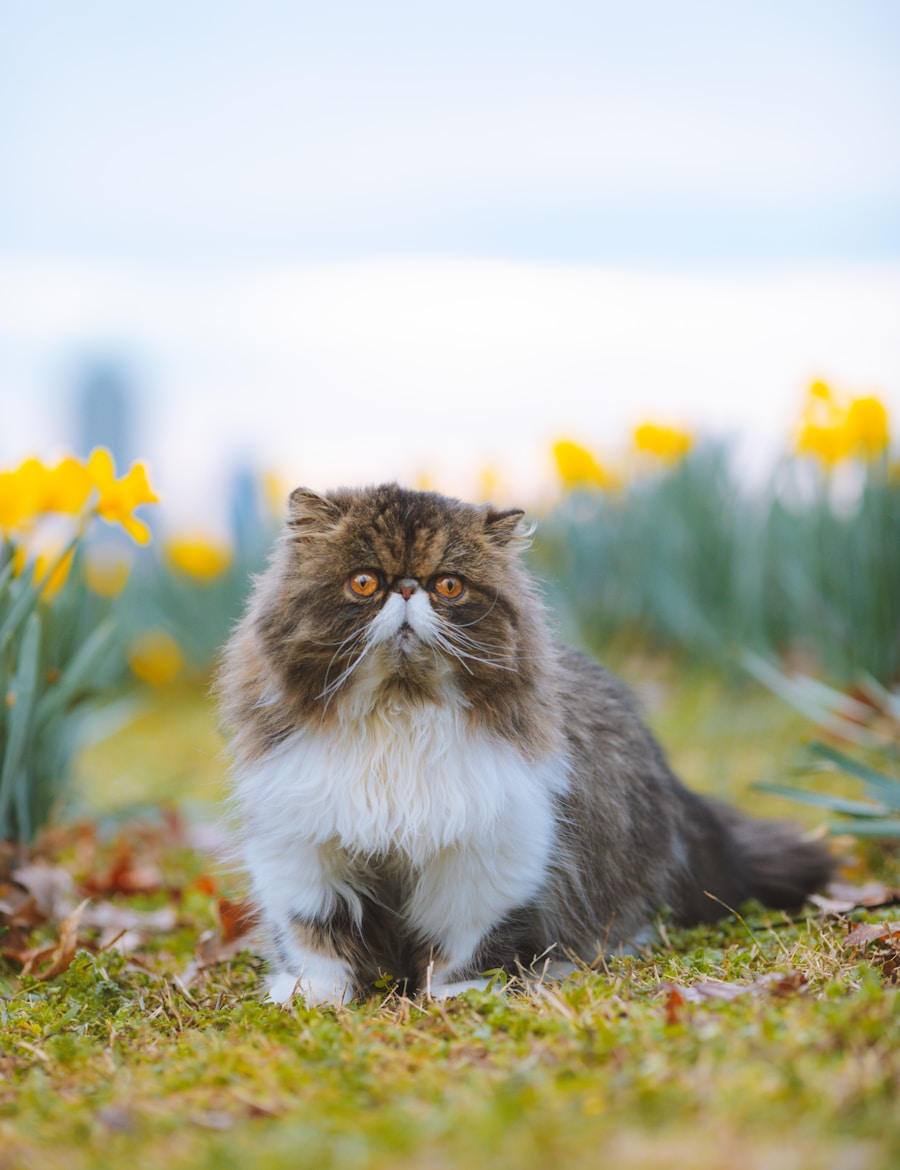


Photo Gallery

About the Ragdoll
The Ragdoll is a cat breed with a color point coat and striking blue eyes. Known for their docile and placid temperament, they are affectionate and love being around people. Ragdolls are often called 'puppy-like' cats, and their endearing nature makes them a popular choice among pet lovers. Originating in the 1960s, the Ragdoll was developed by Ann Baker in California. Their gentle disposition and playful spirit set them apart from other breeds. With a semi-long coat that requires regular grooming, Ragdolls do benefit from routine brushing to prevent matting. Despite their luxurious fur, their maintenance is relatively straightforward. Ragdolls are social creatures and thrive on human interaction, making them ideal companions for families and individuals alike. They are known for their remarkable ability to bond with their owners, often following them around the house and seeking out their company. This affectionate nature not only makes them great pets but also allows them to excel in therapy work. When considering a Ragdoll, potential owners should ensure they can provide ample attention and engagement. In conclusion, Ragdolls stand out as a unique, affectionate breed, perfectly suited for companionship. Their docile demeanor and charming presence make them a beloved choice for many households, promising a joyful addition to any home.
Origin and Name Meaning
Named for their tendency to go limp and relaxed like a ragdoll when picked up.
Fun Fact
Ragdolls were developed in the 1960s by a breeder named Ann Baker in Riverside, California.
Temperament
Common Colors
Care Guide
Grooming
Semi-long coat needs brushing 2-3 times weekly. Surprisingly mat-resistant.
Exercise
Low to moderate activity. Enjoys interactive play but not overly energetic.
Diet
Large breed needs appropriate portions. Quality protein supports coat health.
Social Needs
Very people-oriented. Does not like being left alone. Follows owners around the house.
Health Information
Common Health Issues
- Hypertrophic Cardiomyopathy
- Bladder stones
- Feline Infectious Peritonitis
Preventive Care
Regular cardiac screening. Monitor urinary health. Genetic testing available.
Veterinary Notes
May have reduced pain response - monitor carefully for injuries or illness.