

Photo Gallery


About the Maine Coon
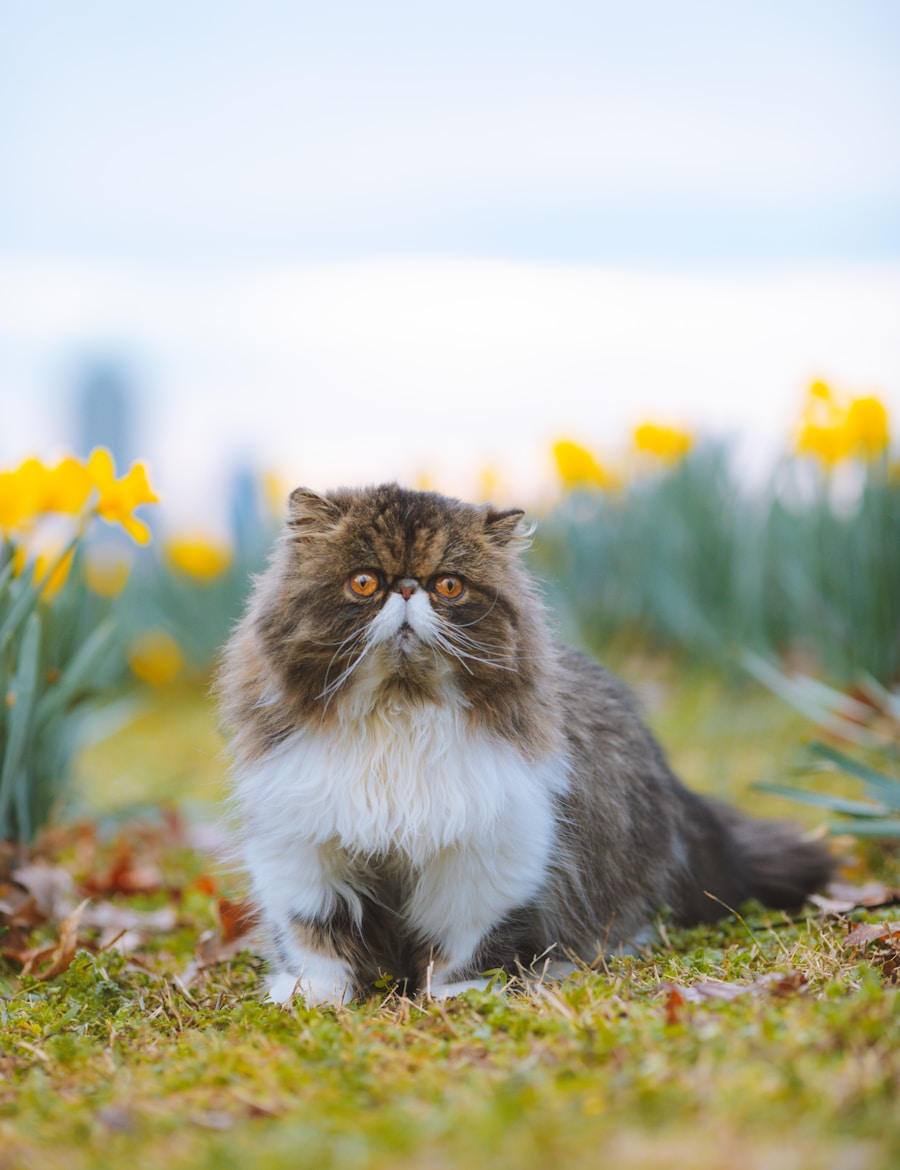
The Maine Coon is one of the largest domesticated cat breeds. Known as "gentle giants," they are friendly, intelligent, and have a distinctive physical appearance with tufted ears, bushy tails, and a water-resistant coat. Originating from the United States, this breed has a storied history that adds to its charm. Maine Coons are not only notable for their size, often weighing between 10 and 25 pounds, but also for their friendly nature. These cats are known for their sociable demeanor, often forming strong bonds with their families, including children and other pets. Their intelligence shines through in their playful behavior and willingness to engage in interactive games. One of the breed's unique features is its adaptation to various climates. The Maine Coon's thick fur and bushy tail serve as insulation against harsh weather, making them excellent companions for owners in diverse environments. Additionally, grooming is essential to maintaining their striking coats; regular brushing helps prevent matting and promotes overall health. For potential owners, it’s important to consider their needs for both mental and physical stimulation. Engaging toys and space to roam are vital for their well-being. In conclusion, the Maine Coon cat is more than just a beautiful pet; it is a loyal companion that brings joy and warmth to any home. With their unique blend of size, intelligence, and gentle temperament, they truly embody the title of “gentle giants.”
Origin and Name Meaning
Named after the state of Maine, USA, where they originated. The 'Coon' part comes from the folk legend that they're descended from raccoons.
Fun Fact
Maine Coons are excellent hunters and were originally kept on farms and ships to catch mice.
Temperament
Common Colors
Care Guide
Grooming
Brush 2-3 times weekly to prevent matting. Extra grooming needed during shedding season in spring and fall.
Exercise
Active breed needing daily play. Enjoys climbing, so tall cat trees are essential. Many enjoy water play.
Diet
Large breed requires more food than average cats. High-protein diet supports their muscular build.
Social Needs
Very social and enjoys family interaction. Good with children, dogs, and other cats.
Health Information
Common Health Issues
- Hip Dysplasia
- Hypertrophic Cardiomyopathy (HCM)
- Spinal Muscular Atrophy (SMA)
Preventive Care
Hip and cardiac screening recommended. Genetic testing available for SMA and HCM.
Veterinary Notes
Large breed prone to joint issues. Maintain healthy weight to reduce stress on joints.