
Photo Gallery

About the Norwegian Forest Cat
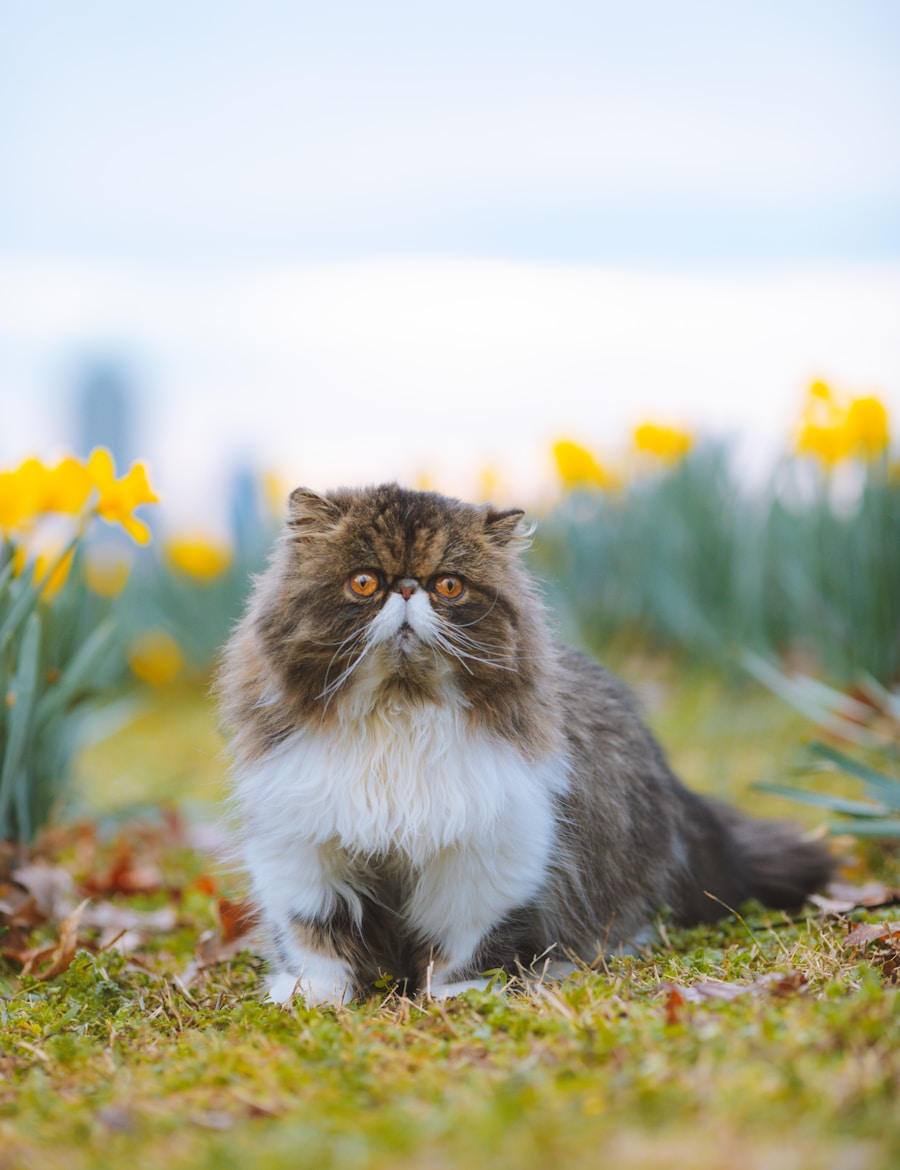
The Norwegian Forest Cat is a large breed native to Northern Europe. They have a long, thick, water-resistant coat and a sturdy body built for cold climates. Norwegian Forest Cats are friendly, gentle, and excellent climbers, making them versatile companions for various households. Originating in the rugged terrains of Norway, these cats were historically valued for their hunting skills, particularly in controlling rodent populations on farms. Their unique coat, dense and insulating, is designed to withstand harsh winters, featuring a soft undercoat and a longer outer layer that repels moisture. This natural adaptation allows them to thrive in colder environments while maintaining a striking appearance. Personality-wise, Norwegian Forest Cats are known for their affectionate nature. They form strong bonds with their families and are often playful, making them ideal pets for children. Their curiosity and intelligence make them engaging companions, as they enjoy exploring and climbing to high vantage points. Proper care for this breed includes regular grooming to prevent matting in their thick fur and ensuring they receive adequate exercise, particularly in vertical spaces. Providing a cat tree or shelves can satisfy their climbing instincts. In summary, the Norwegian Forest Cat combines beauty, resilience, and charm, making them a fantastic addition to any home. Their ability to adapt to various living environments while maintaining their playful spirit sets them apart in the feline world.
Origin and Name Meaning
Named after their origin in Norway, where they evolved to survive the harsh Scandinavian climate.
Fun Fact
Norwegian Forest Cats appear in Norse mythology and were believed to be the cats that pulled the goddess Freya's chariot.
Temperament
Common Colors
Care Guide
Grooming
Twice weekly brushing. Heavy shedding in spring requires daily grooming temporarily.
Exercise
Active climbers needing tall cat trees. Enjoy outdoor access if safely enclosed.
Diet
Large breed needs appropriate portions. Quality food maintains their luxurious coat.
Social Needs
Independent but enjoys family time. Patient with children and other pets.
Health Information
Common Health Issues
- Hip Dysplasia
- Hypertrophic Cardiomyopathy
- Glycogen Storage Disease IV
Preventive Care
Hip and cardiac screening. Genetic testing for GSD IV available.
Veterinary Notes
Test for GSD IV - a fatal genetic condition found in some lines. Screen before breeding.